Choosing the Best Concert Seats in Korea — Floor vs Stand, and Sightlines
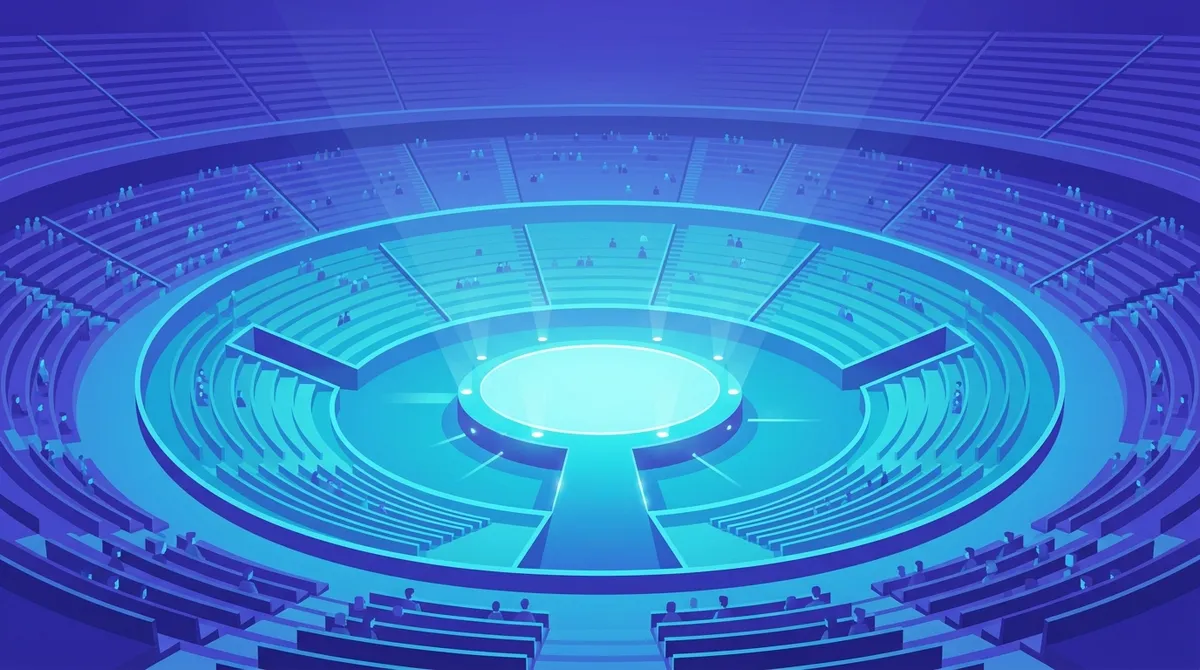
The hardest part of a Korean ticket sale isn’t the clicking — it’s deciding which seat to aim for. And the front row isn’t automatically the best: the “good seat” changes with venue size and stage layout. Here’s how locals think about it.
Floor (standing / flat) vs Stand (tiered)
- Floor seats are closest to the stage and feel the most immersive. But the floor is flat with no elevation, so a tall person in front can block the stage, and floor-level staging is hard to see.
- Stand seats are tiered, so heads in front block you far less, and you take in the whole stage movement, lighting and screens at once.
- In short: want the artist up close → front floor; want to enjoy the whole performance comfortably → center stand.
The “row 5–8 center” rule
- At small and mid-size halls, locals often name rows 5–8, center as the sweet spot — a good balance of distance, sightline and sound.
- But the very front can mean craning your neck or losing the full stage. A higher ticket grade isn’t automatically a better seat — check the seat map and reviews together.
Big venues (domes, stadiums, arenas) are different
- At places like Gocheok Sky Dome or Jamsil Stadium, every seat is far, so binoculars (opera glasses) are basically essential.
- Here, lower-tier center stand is widely rated best for the stage/screen/sound balance. Extreme side seats lose the main screen and leave you relying on the side screens.
- Whether there’s a B-stage / moving stage (torokko) dramatically changes how close you feel — check the stage-layout notice before booking.
Consider the sound too
- Big venues echo. If sound matters to you, many fans say lower-tier center stand is clearer than right up front, and the higher you go, the harder the talking segments are to hear.
Pre-booking checklist
- Find your section’s position on the venue seat map.
- Search sightline reviews for that section (and check for restricted-view seats).
- For a big venue, bring binoculars.
- Check the stage setup (B-stage / moving stage) to picture the distance.
Sightlines vary a lot by person — see our per-venue seating guides in the venue section too.
Concert data from KOPIS (Korea Performing Arts Box Office Information System). Details may change — always confirm on the official ticket vendor.